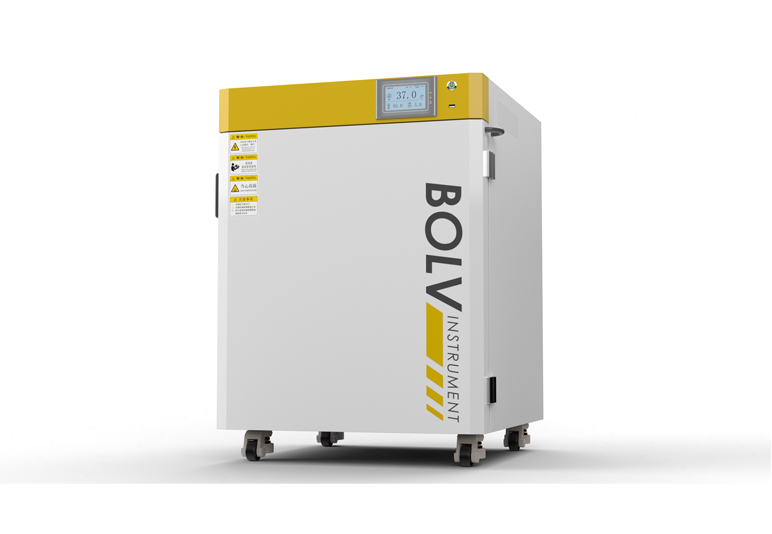
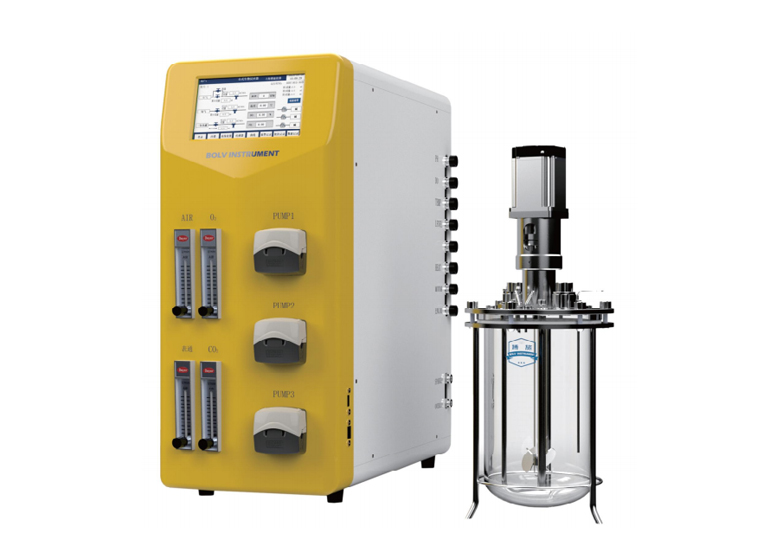
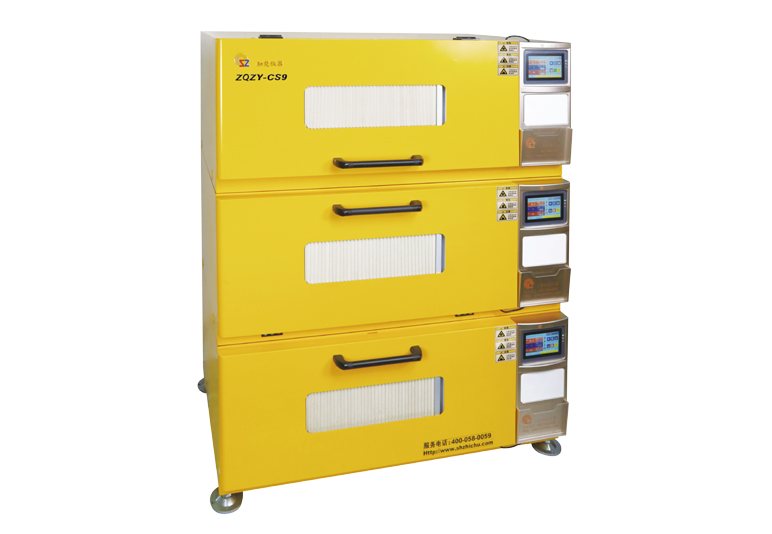
Cell culture experiments are at the heart of many modern biological and pharmaceutical studies. These experiments require precise and controlled environments to replicate the natural conditions in which cells thrive. One essential tool in achieving these conditions is the triple gas incubator, which maintains a stable and regulated atmosphere that closely mimics the natural environment of living organisms. In this article, we explore the science behind Tri-Gas incubators, their role in supporting cell growth, and why they are critical in biological research.
The Role of a Triple Gas Incubator in Cell Culture
A triple gas incubator provides a controlled environment for growing cells, offering fine-tuned control over temperature, humidity, and gases, most importantly, carbon dioxide (CO2), oxygen (O2), and nitrogen (N2). These gases are crucial for maintaining the metabolic processes of cells during culture. In a natural biological system, cells are exposed to specific gas concentrations depending on their tissue type and function. Tri-Gas incubators mimic these natural conditions by carefully regulating the levels of each gas to ensure optimal cell growth. The CO2 level controls the pH of the culture medium, while O2 and N2 levels affect cellular respiration and metabolism. The precise control of these gases in a triple gas incubator makes it possible to support a wide range of cell types, from primary cells to transformed and immortalized cell lines, all of which have different requirements for growth.
How Triple Gas Incubators Regulate Carbon Dioxide for pH Balance
The primary role of CO2 in a triple gas incubator is to maintain the pH balance of the culture medium. When CO2 is dissolved in the medium, it forms carbonic acid, which lowers the pH. This is particularly important for mammalian cells, which thrive in a slightly acidic environment. By carefully adjusting the CO2 concentration within the incubator, researchers can maintain the ideal pH for the cells. The regulation of CO2 levels is achieved through a precise feedback system that continuously monitors and adjusts the gas concentration, ensuring a consistent and stable environment for cell growth. This system is crucial for preventing fluctuations in pH that could stress cells or affect experimental outcomes.
Oxygen and Nitrogen Regulation: Ensuring Proper Cellular Respiration
In addition to CO2, O2 and N2 are equally important in creating a stable and natural environment for cells. Oxygen is essential for cellular respiration, the process by which cells convert nutrients into energy. In a triple gas incubator, oxygen levels are adjusted to reflect the needs of different cell types. Some cells, such as those from hypoxic tissues, require lower levels of oxygen, while others may need higher concentrations to survive and proliferate. Nitrogen, on the other hand, is used to create an inert environment by displacing oxygen when necessary. By controlling the balance between O2 and N2, a triple gas incubator ensures that cells are exposed to conditions that are as close as possible to their natural habitat, allowing them to perform their functions optimally.
The Importance of Humidity Control in Tri-Gas Incubators
Humidity control is another essential feature of triple gas incubators that mimics the natural environment of cells. Cells in culture are often grown in liquid media, and maintaining a stable level of humidity helps prevent the medium from evaporating and becoming concentrated. Without proper humidity regulation, cells could experience osmotic stress, affecting their growth and viability. A triple gas incubator ensures that the humidity levels remain consistent, maintaining an environment that supports the growth of cells in the same way they would be supported in vivo. By creating a humidified atmosphere, Tri-Gas incubators help preserve the integrity of the culture medium and reduce the risk of contamination, which is critical for successful cell culture experiments.
Advanced Technology in Tri-Gas Incubators: Automated Monitoring for Precision
Modern triple gas incubators like the ones provided by Zhichu Shakers feature advanced monitoring and control systems that make them even more effective at mimicking natural conditions. These incubators are equipped with high-precision sensors that continuously measure CO2, O2, and temperature levels, automatically adjusting them to maintain the optimal conditions for cell growth. This automation not only reduces the risk of human error but also increases the efficiency of experiments by ensuring that environmental conditions remain stable throughout the culture period. The precise control of gases, temperature, and humidity ensures that cells are exposed to the same environment throughout the duration of the experiment, which is critical for obtaining reliable and reproducible results.
In addition to automated systems, many triple gas incubators are now integrated with data logging and remote monitoring features. This allows researchers to track environmental conditions in real-time, ensuring that any deviations from the desired parameters are immediately addressed. This level of control and monitoring is essential for high-stakes experiments in fields such as stem cell research, drug development, and regenerative medicine, where even slight variations in environmental conditions can have significant effects on cell behavior.
Conclusion
The science behind triple gas incubators is a testament to the growing sophistication of laboratory tools used in biological research. By carefully regulating the levels of CO2, O2, and N2, these incubators create a controlled, natural-like environment that promotes optimal cell growth. The importance of these incubators cannot be overstated, as they are vital for supporting a wide range of cell culture applications, from basic research to drug testing and stem cell research. As the demand for more advanced and precise laboratory equipment grows, triple gas incubators continue to evolve, incorporating cutting-edge technologies to ensure that researchers can achieve the most accurate and reliable results. Whether for academic research, pharmaceutical development, or clinical studies, the triple gas incubator remains an indispensable tool for anyone working with living cells.
 English
 日本語
日本語 한국어
한국어 français
 Deutsch
 Español
 русский
 português
 العربية
 ไทย
ไทย tiếng việt