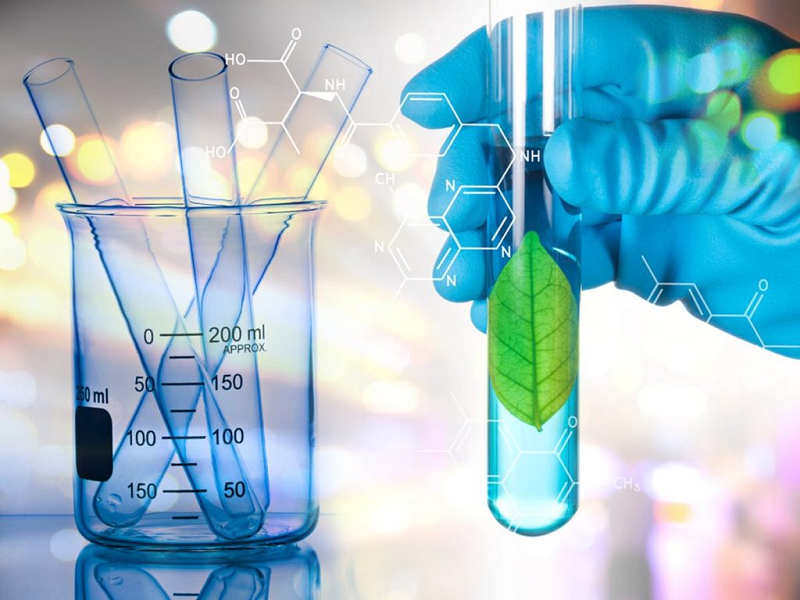
It refers to scientific and applied research activities that serve both industrial applications and environmental protection goals. Essentially, it covers research aimed at:
Industrial Applications:
Improving processes, products, or technologies in industries such as biofuels, chemicals, food, pharmaceuticals, or manufacturing.
Optimizing microbial, chemical, or physical processes for efficiency, cost reduction, and innovation. Such research often relies on advanced environmental lab equipment to accurately measure and control experimental conditions.
Environmental Protection:
Studying, monitoring, or mitigating the impact of human activities on the environment.
Developing sustainable processes, pollution control, bioremediation, or renewable energy solutions.
Combined Scope:
Research projects that overlap both areas, e.g., using microbes to produce biodiesel (industrial) while reducing environmental pollution (environmental protection). These studies depend on precise environmental laboratory equipment for monitoring and analysis.
Innovations that meet industry needs and minimize environmental impact.
In simpler terms:
It's research that:
Helps industry make better, safer, or more efficient products and processes.
Helps protect the environment from pollution or resource overuse.
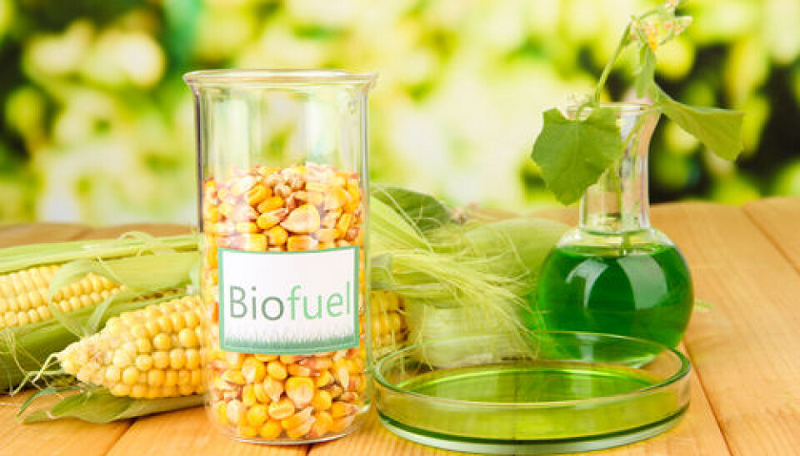
Often combines both, like developing biofuels, biodegradable materials, or bioremediation methods. Companies like Zhi Chu provide essential environmental protection equipment to support these research efforts.
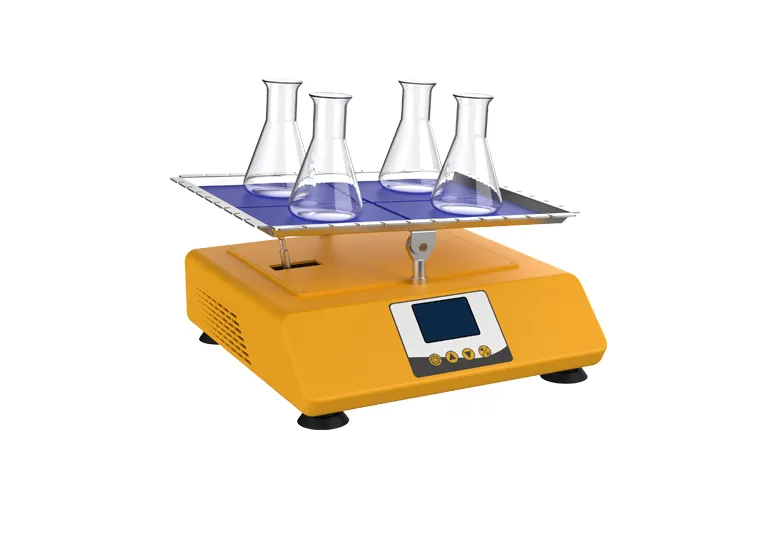
1. Shaking Incubator
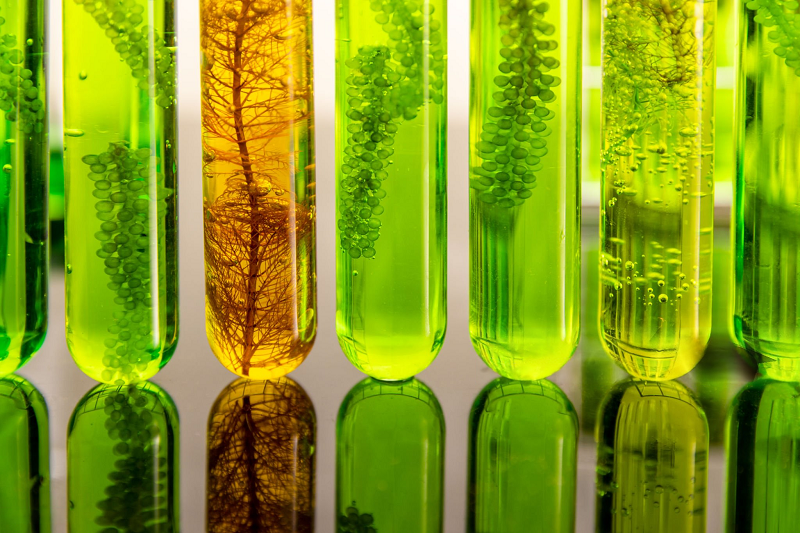
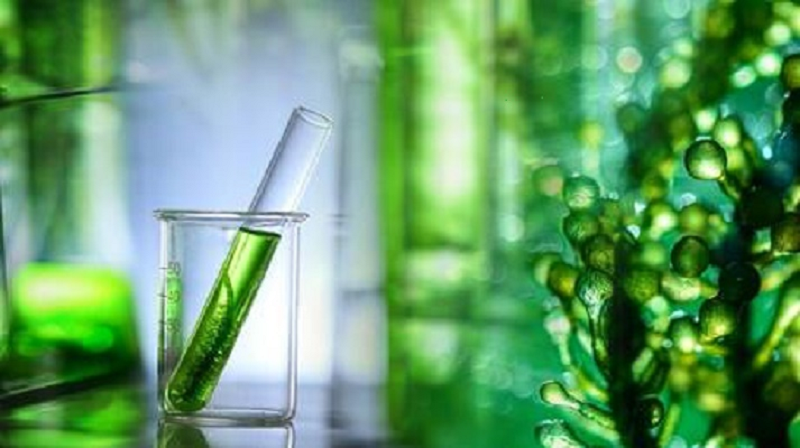
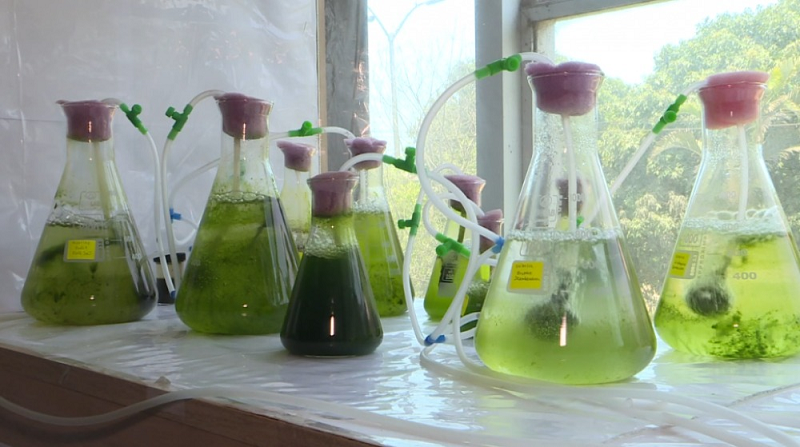
Cultivation of microbial strains used in biodiesel production (e.g., algae, yeast, bacteria).
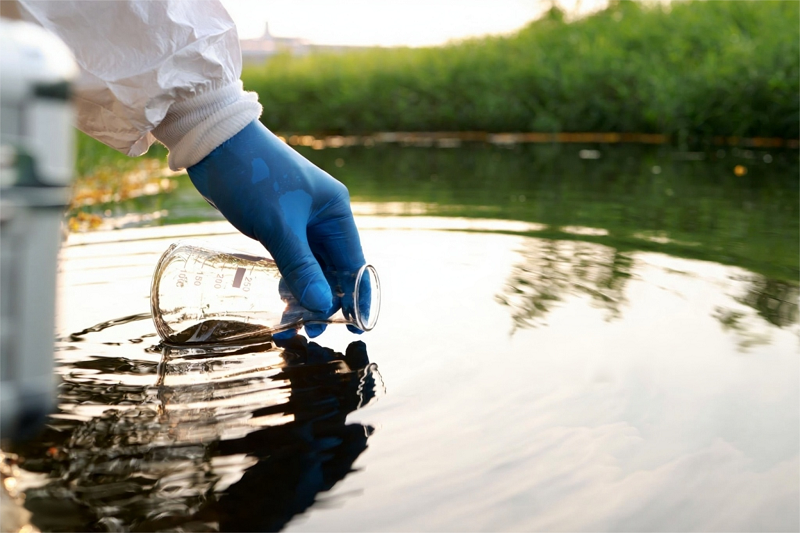
Accelerating biodegradation studies of pollutants in contaminated soil/water.
Growing microorganisms for bioremediation experiments.
2. Incubator
Stable growth of microbial cultures for testing biodegradability of pollutants, supported by advanced environmental lab equipment.
Controlled incubation of samples in environmental monitoring.
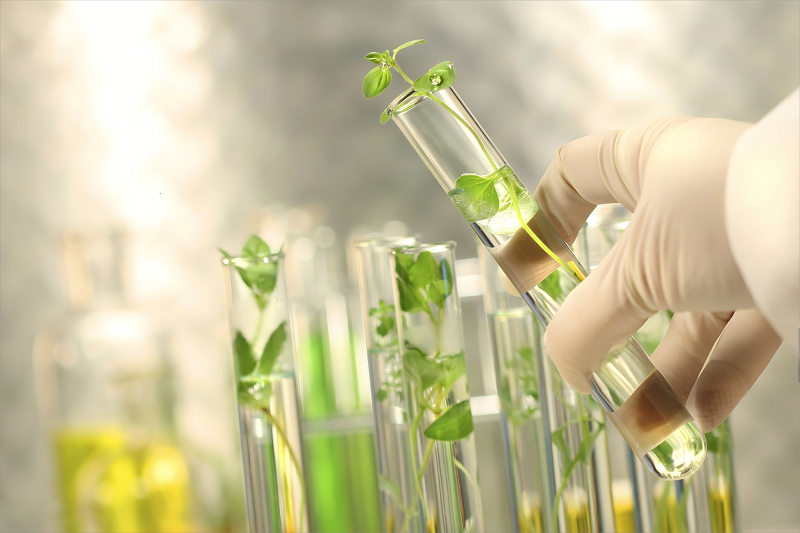
Supporting seed germination and plant tissue culture under controlled conditions.
3. Biological Safety Cabinets (BSC)
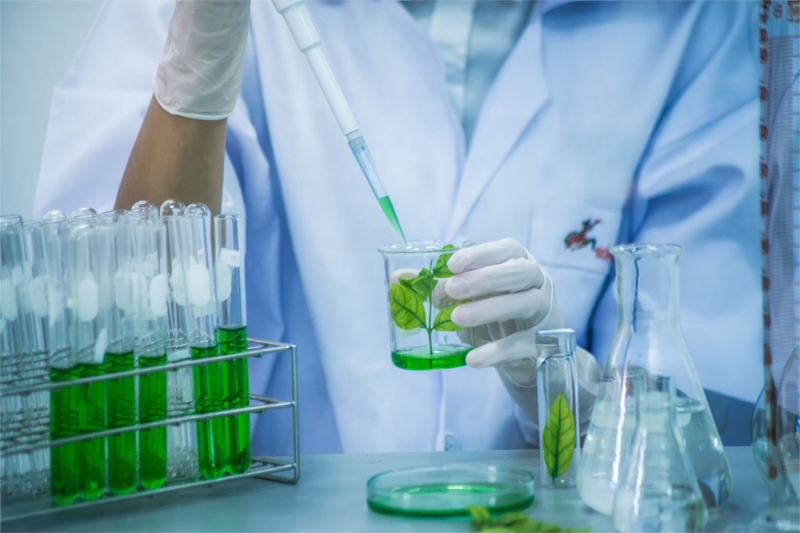
Safe handling of hazardous or contaminated soil/water samples.
Protecting researchers and the environment when working with pathogenic microbes, a key function of advanced environmental laboratory equipment.
Ensuring aseptic conditions during microbial culture preparation for biodiesel R&D.
4. Laminar Flow Benches
Providing sterile workspaces for sample preparation.
Preventing contamination when handling environmental or industrial samples.
Aseptic transfer of microbial strains used in biodegradation or biodiesel production, supported by specialized environmental protection equipment.
(1).png "General Lab Equipment in Industry & Environmental Protection")
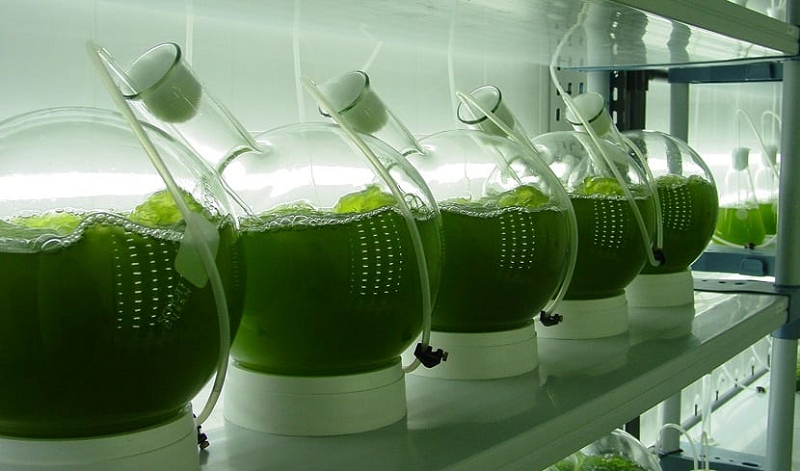
5. Bioreactors
Large-scale cultivation of algae, yeast, or bacteria for biodiesel production.
Biodegradation studies of industrial wastewater or soil contaminants.
Pilot-scale testing of microbial processes for environmental cleanup.
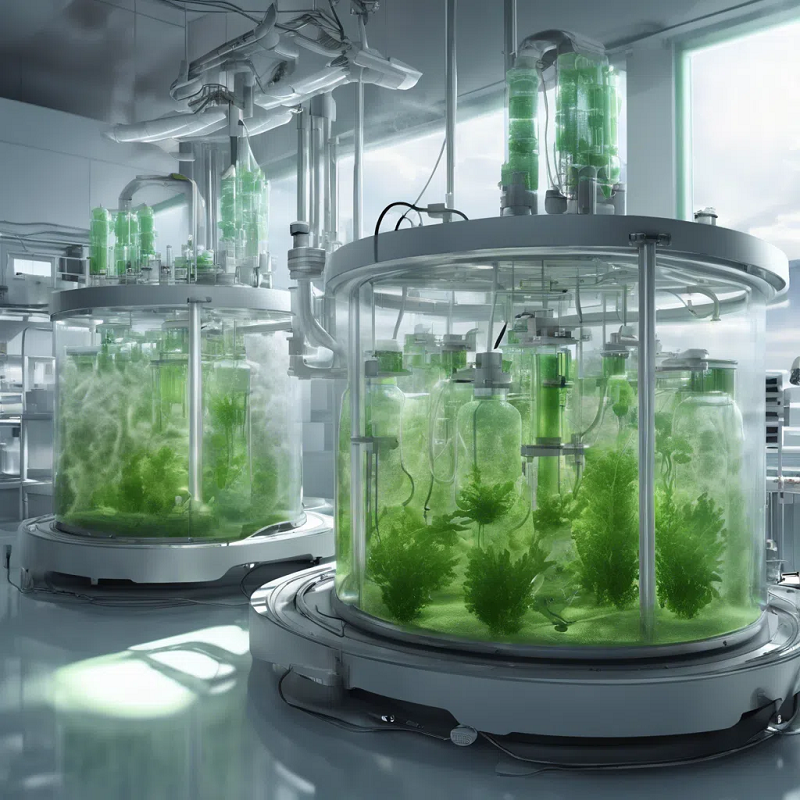
6. Chillers
Providing cooling for bioreactors and fermentation systems in biodiesel production.
Maintaining stable temperatures during soil/water analysis instruments operation.
Supporting sample preservation during long-term environmental testing.
7. Ultrasonic Cell Disruptors
Breaking algae or microbial cells to release lipids for biodiesel production.
Extracting intracellular enzymes/proteins used in bioremediation studies.
Homogenizing contaminated soil/water samples for more accurate analysis.
1 Shaker Incubator
Function: Provides simultaneous temperature control and orbital agitation for liquid cultures.
Applications in Industry & Environmental Protection
Biodiesel Production:
Cultivation of algae, yeast, and bacteria for lipid production and fermentation.
Optimization of microbial growth conditions for enhanced biofuel yields.
Contaminated Soil/Water Analysis:
Enrichment and incubation of pollutant-degrading microorganisms.
Microbial activity studies to evaluate bioremediation efficiency.
Incubation of environmental samples for water and soil quality testing.
Research Applications:
Microbiology and molecular biology: cultivation of E. coli, yeast, and other model organisms.
Biochemistry: protein expression and enzyme production.
Environmental microbiology: studies on biodegradation, wastewater treatment, and microbial ecology.
Agricultural research: plant-microbe interaction and seedling culture under controlled conditions.
Used by:
Industrial Sectors: Biofuel & renewable energy companies, environmental testing laboratories, food & beverage industries.
Academic & Research Institutions: Universities, biotechnology research centers, agricultural research institutes.
Government & Environmental Agencies: Environmental monitoring labs, pollution control authorities.
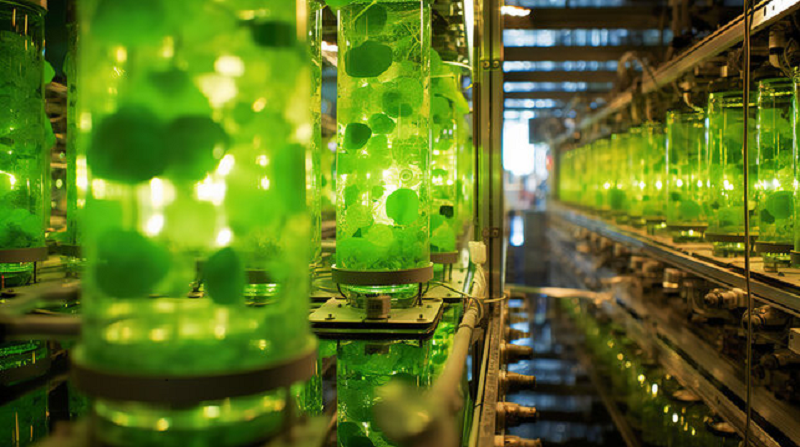
2 CO₂ Incubator
Function: Provides a controlled environment of temperature, humidity, and CO₂ concentration for cultivating cells and tissues under physiological conditions.
Applications in Industry & Environmental Protection
Biodiesel Production:
Cultivation of microalgae and photosynthetic microorganisms for biofuel research.
Cell-based studies to optimize metabolic pathways for lipid accumulation.
Contaminated Soil/Water Analysis:
Growing mammalian or microbial cells for toxicity and cytotoxicity testing of pollutants.
Environmental toxicology assays to predict the impact of contaminants on living cells.
Supporting microbial research for bioremediation strategies.
Research Applications:
Cell biology: mammalian cell culture, stem cell research, tissue engineering.
Pharmaceutical R&D: drug screening, cytotoxicity studies, vaccine development.
Microbiology: cultivation of CO₂-dependent bacteria and fungi.
Agricultural science: plant cell and protoplast culture under controlled conditions.
Used by:
Industrial Sectors: Biopharmaceutical companies, biofuel producers, cosmetic and chemical industries.
Academic & Research Institutions: Universities, biomedical and biotechnology research centers, agricultural research labs.
Environmental & Health Agencies: Toxicology laboratories, pollution control authorities, public health institutes.
3 Biological Safety Cabinets (BSC)
Function: Provide a sterile and safe working environment by protecting operators, samples, and the environment from biohazards and contamination.
Applications in Industry & Environmental Protection
Biodiesel Production:
Aseptic handling of genetically modified or wild-type microbial strains used in biofuel R&D.
Safe preparation of inoculums for algae, yeast, or bacterial fermentation processes.
Preventing cross-contamination during strain development and screening experiments.
Contaminated Soil/Water Analysis
Safe manipulation of soil and water samples containing pathogenic or toxic microorganisms.
Protecting laboratory staff during microbial isolation from polluted environments.
Ensuring contamination-free preparation of cultures for biodegradation and remediation studies.
Used by:
Industrial Sectors: Renewable energy labs (biofuel production), environmental testing and monitoring companies, biotechnology firms.
Academic & Research Institutions: Universities and research institutes in environmental microbiology, biotechnology, and renewable energy.
Government & Environmental Agencies: Environmental protection laboratories, public health and safety departments, pollution control authorities.
4 Laminar Flow Benches
Function: Provide a sterile, particle-free airflow to protect samples and materials from contamination during handling.
Applications in Industry & Environmental Protection
Biodiesel Production:
Aseptic transfer and preparation of microbial strains (algae, yeast, bacteria) used for biofuel development.
Sterile handling of culture media, reagents, and seed inoculums for fermentation.
Preventing contamination during genetic modification or strain optimization experiments.
Contaminated Soil/Water Analysis:
Preparation of environmental samples under sterile conditions for microbial analysis.
Handling potentially contaminated soil/water extracts while ensuring clean test results.
Avoiding cross-contamination in biodegradation, toxicity, or environmental microbiology studies.
Used by:
Industrial Sectors: Biofuel production facilities, biotechnology companies, environmental testing labs.
Academic & Research Institutions: Universities, agricultural and environmental microbiology research centers.
Government & Environmental Agencies: Environmental protection and pollution control laboratories, public health institutes.
5 Bioreactors
Function: Provide controlled conditions (temperature, pH, aeration, agitation) for large-scale cultivation of microorganisms, cells, or tissues.
Applications in Industry & Environmental Protection
Biodiesel Production:
Large-scale cultivation of algae, yeast, or bacteria for lipid production and biofuel conversion.
Process optimization for microbial fermentation in renewable energy production.
Scale-up studies from laboratory to pilot and industrial biodiesel production.
Contaminated Soil/Water Analysis:
Biodegradation of pollutants in soil and wastewater under controlled conditions.
Bioremediation research using engineered or naturally occurring microorganisms.
Testing efficiency of microbial consortia in breaking down hydrocarbons, pesticides, and heavy metals.
Used by:
Industrial Sectors: Renewable energy and biofuel companies, environmental biotechnology firms, wastewater treatment industries.
Academic & Research Institutions: Universities, institutes focused on environmental engineering, microbiology, and sustainable energy.
Government & Environmental Agencies: Environmental protection labs, pollution control authorities, public sector bioremediation projects.
6 Chillers
Function: Provide precise and stable cooling for laboratory and industrial equipment, ensuring accurate temperature control in experiments and processes.
Applications in Industry & Environmental Protection
Biodiesel Production:
Temperature regulation for bioreactors, fermenters, and shaker incubators during microbial cultivation.
Cooling of condensers and analytical instruments used in biofuel quality testing.
Maintaining stable conditions in continuous biodiesel production processes.
Contaminated Soil/Water Analysis:
Cooling of analytical instruments such as GC, HPLC, and spectroscopy systems for pollutant detection.
Supporting long-term stability testing of environmental samples.
Preventing overheating of water purification or wastewater treatment pilot systems.
Used by:
Industrial Sectors: Renewable energy plants (biofuel production), chemical and petrochemical industries, environmental testing companies.
Academic & Research Institutions: Universities, research centers in bioenergy, environmental chemistry, and microbiology.
Government & Environmental Agencies: Environmental monitoring laboratories, pollution control facilities, public health testing agencies.
7 Ultrasonic Cell Disruptors
Function: Use high-frequency ultrasonic waves to break open cells, release intracellular contents, or homogenize samples.
Applications in Industry & Environmental Protection
Biodiesel Production:
Disruption of algae or microbial cells to extract lipids for biodiesel conversion.
Enhancing enzymatic reactions by releasing intracellular enzymes.
Preparation of microbial extracts for biofuel process optimization and research.
Contaminated Soil/Water Analysis:
Homogenization of soil and water samples for more accurate pollutant analysis.
Extraction of microbial enzymes or metabolites used in biodegradation studies.
Facilitating studies on pollutant interactions with microbial communities in environmental samples.
Used by:
Industrial Sectors: Biofuel and renewable energy companies, environmental biotechnology firms, chemical analysis laboratories.
Academic & Research Institutions: Universities and research centers in environmental science, microbiology, and bioengineering.
Government & Environmental Agencies: Environmental monitoring and pollution control labs, public health and safety institutes.
 English
 日本語
日本語 한국어
한국어 français
 Deutsch
 Español
 русский
 português
 العربية
 ไทย
ไทย tiếng việt