In scientific research and laboratory environments, contamination control is paramount. From biological research to pharmaceutical production, maintaining a sterile and controlled environment is essential for the accuracy and reliability of experiments and sample preservation. One critical piece of equipment that helps achieve this goal is the biosafety laminar flow hood. This equipment is designed to protect both the researcher and the samples by ensuring that the air around sensitive processes remains free from contaminants.
The Role of a Biosafety Laminar Flow Hood in Laboratory Safety
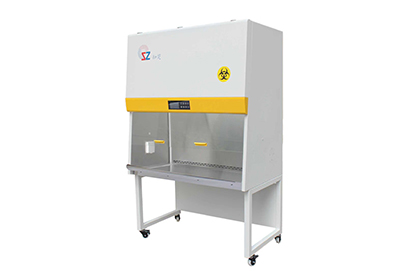
A biosafety laminar flow hood is a key component in laboratories where contamination-free environments are critical for research success. It functions by using a filtered air supply that flows in a specific direction to protect the work area from harmful particles, microorganisms, and other contaminants. The laminar flow of air creates a sterile field around the workspace, ensuring that only purified air surrounds the samples. This airflow helps to prevent any airborne particles from contaminating delicate biological samples, cultures, or chemicals.
By maintaining an ultra-clean working environment, the biosafety laminar flow hood safeguards researchers from exposure to potentially harmful biological agents while also protecting the integrity of experiments. This feature is particularly important in industries like pharmaceuticals, biotechnology, and microbiology, where even a small amount of contamination can lead to inaccurate results, compromised product quality, or unsafe working conditions.
How a Biosafety Laminar Flow Hood Enhances Experimental Accuracy
One of the key advantages of using a biosafety laminar flow hood is its ability to significantly reduce the risk of contamination during experiments. In many scientific fields, such as cell biology and microbiology, experiments rely on maintaining uncontaminated samples to ensure accuracy. The laminar flow design filters out airborne particles, such as dust, microbes, and other contaminants, while also creating a consistent and stable environment in which researchers can work without fear of sample contamination.
This consistent flow of purified air ensures that the workspace is kept free from environmental variables that could affect the outcome of sensitive experiments. The controlled airflow is directed downward across the work surface, creating a barrier that prevents any particles from being introduced into the work area. Whether conducting tissue culture work, working with hazardous biological materials, or handling genetically modified organisms, the biosafety laminar flow hood provides an essential layer of protection that contributes to the success of experiments and the reliability of results.
Advantages of Biosafety Laminar Flow Hoods in Laboratory Operations
In addition to protecting laboratory samples, biosafety laminar flow hoods also enhance laboratory efficiency and productivity. By providing a sterile working environment, they help reduce the likelihood of costly mistakes or delays due to contamination. These hoods are especially crucial in laboratories where research time is precious, such as in drug development, where a single contamination event can halt progress or invalidate entire batches of work.
Moreover, the biosafety laminar flow hood plays a role in protecting valuable equipment and materials. In some labs, it's not just the samples that require protection but also the expensive instruments used in the research process. By preventing the accumulation of dust and microbes on sensitive equipment, these hoods extend the lifespan of both the samples and the apparatus used for analysis.
The Importance of Proper Maintenance and Usage of Biosafety Laminar Flow Hoods
While a biosafety laminar flow hood provides critical protection, its effectiveness is highly dependent on proper maintenance and usage. Ensuring that the filters are regularly replaced and that the airflow is not obstructed by clutter is essential for maintaining its high level of protection. Proper training for laboratory personnel is also crucial to ensure that the hood is used correctly, such as ensuring that the airflow direction is maintained and that the workspace is not overcrowded with materials.
Additionally, routine inspection and maintenance schedules are vital for detecting potential malfunctions or air flow disruptions, which could compromise the sterile environment. Regular cleaning of the hoods, checking for leaks, and replacing filters in a timely manner are all part of good laboratory practices that ensure optimal protection for both the samples and researchers.
Biosafety Laminar Flow Hoods and Their Impact on Research Outcomes
The use of biosafety laminar flow hoods is not just about preventing contamination, but about fostering a more controlled and reliable research environment that directly impacts research outcomes. In industries such as pharmaceutical development and genetic research, the importance of these hoods cannot be overstated. They ensure that sensitive biological samples, chemicals, and experimental results are preserved from any external environmental factors that could compromise them.
In conclusion, the biosafety laminar flow hood plays an indispensable role in maintaining clean, controlled, and sterile environments in laboratories across various industries. It is a vital tool in protecting both the researcher and the samples, ensuring that experiments are conducted in the best possible conditions. Its use guarantees the reliability and accuracy of scientific results, making it an essential piece of equipment in any laboratory focused on precision research, sample preservation, and contamination control.
 English
 日本語
日本語 한국어
한국어 français
 Deutsch
 Español
 русский
 português
 العربية
 ไทย
ไทย tiếng việt