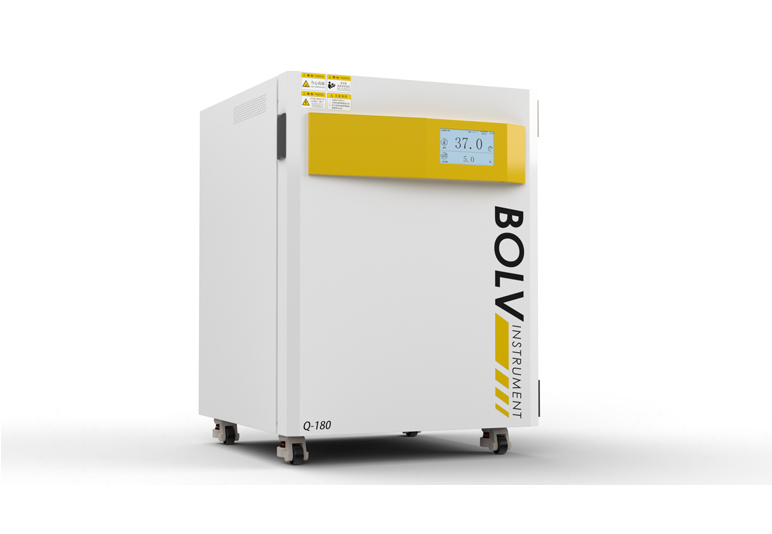
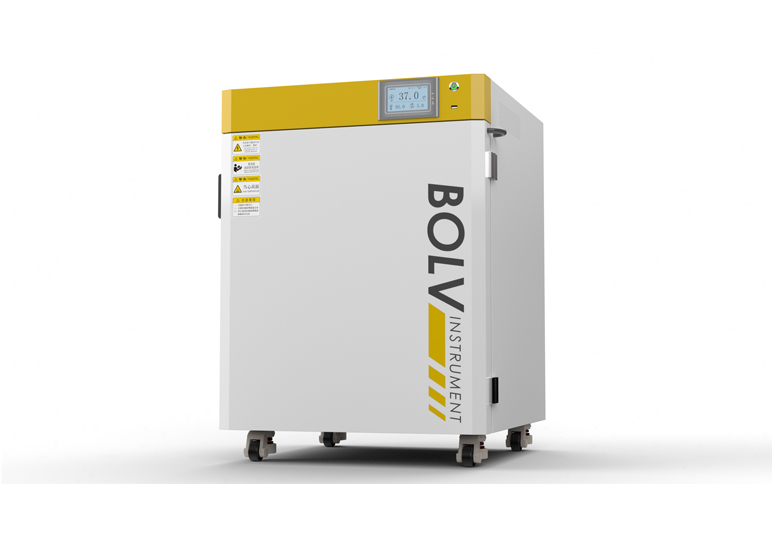
In the field of food research, advanced laboratory equipment plays a critical role in developing safe, nutritious, and high-quality food products.
Shaker incubators and incubators are essential for microbial fermentation, enzyme activity studies, and stability testing under controlled temperature and agitation. Biological safety cabinets (BSCs) and laminar flow benches provide sterile environments for sample preparation and microbial handling, ensuring contamination-free research.
Benchtop fermentors enable small-scale fermentation trials for probiotics, flavor enhancers, and bioactive compounds.
Chillers maintain precise cooling for sensitive reactions and sample storage. Meanwhile, ultrasonic cell disruptors are used to extract proteins, enzymes, and other intracellular components from food-based microorganisms or plant cells. Together, these tools support innovation in food safety, shelf-life extension, and functional ingredient development.
1. Shaker Incubator
Function: Provides simultaneous temperature control and orbital agitation for liquid cultures.
Food Research Applications:
Microbial culture for food fermentation: Cultivation of Lactobacillus, Saccharomyces, Bifidobacterium for dairy (yogurt, kefir), alcohol, or soy fermentation.
Enzyme production: Used to culture microbes producing amylases, proteases, or lipases for food processing.
Probiotic strain development: Screening and optimizing novel probiotic strains for use in supplements or fermented foods.
Starter culture preservation studies: Analyzing viability, metabolic activity, and shelf life under different storage or environmental conditions.
Used By: Food microbiology labs, functional food R&D centers, fermentation scientists.
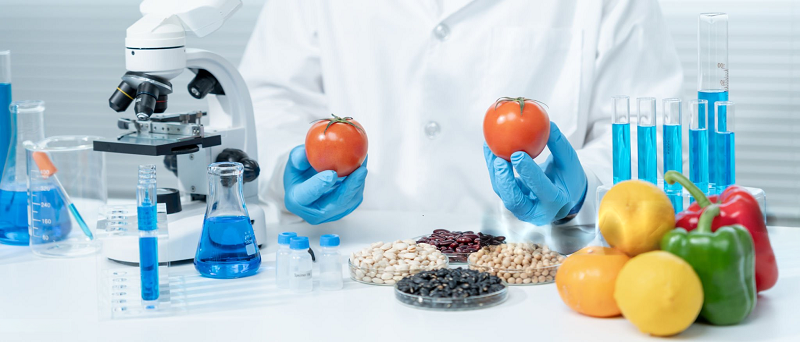
2. Incubator (Standard & CO₂)
Function: Maintains stable temperature (and CO₂ if applicable) for microbial or cell-based studies.
Food Research Applications:
Pathogen and spoilage studies: Growing Salmonella, Listeria, E. coli, Mold under controlled conditions to assess food safety.
Shelf-life testing: Simulating storage conditions to monitor microbial growth over time.
Cell line incubation: Used in food toxicology to test cellular response to additives, preservatives, or novel ingredients.
Meat culture and tissue studies: In cell-based (cultured) meat research to cultivate animal muscle or fat precursor cells.
Used By: QA/QC food labs, food safety authorities, cell-based meat startups.
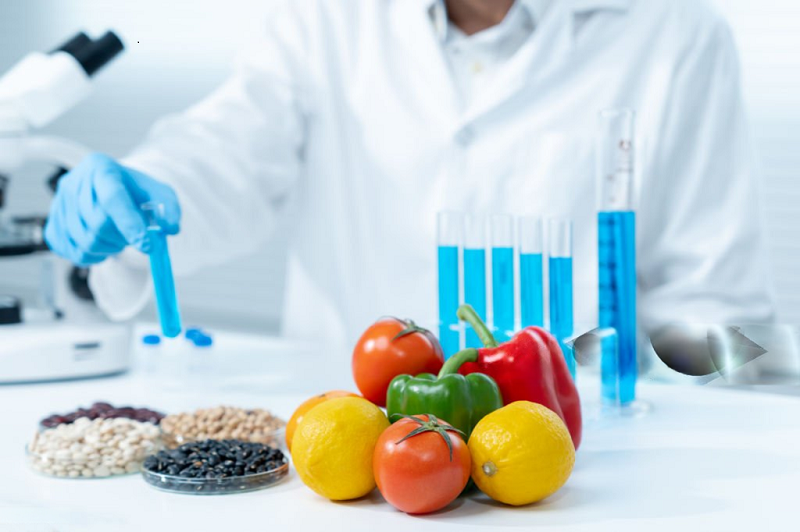
3. Biological Safety Cabinet (BSC)
Function: Offers HEPA-filtered, contamination-free workspace for handling pathogens or sterile samples.
Food Research Applications:
Microbiological safety testing: Handling pathogens or unknown food contaminants during analysis.
Aseptic preparation: Safe transfer of microbial cultures, media, and reagents during food microbiology work.
Sample prep for PCR & ELISA: Ensures sterility when preparing samples for molecular testing of allergens or GMOs.
Used By: Food quality control labs, foodborne disease research units, academic food science departments.
4. Laminar Flow Bench
Function: Provides sterile working conditions for non-hazardous sample handling.
Food Research Applications:
Media pouring and plating: Used in microbial enumeration (e.g., total plate count, yeast/mold count) for food products.
Sample prep for spoilage detection: Handling food samples prior to inoculation or plating.
Non-pathogenic strain work: Ideal for probiotics or beneficial bacteria testing not requiring full biosafety containment.
Used By: Food technology labs, microbiology teaching labs, quality assurance departments.
5. Benchtop Fermentor / Bioreactor
Function: Enables controlled microbial fermentation at laboratory scale with regulation of pH, DO, agitation, and temperature.
Food Research Applications:
Industrial fermentation research: Optimization of fermentation conditions for beer, wine, vinegar, kombucha, soy sauce, and dairy.
Enzyme production: Scalable production of enzymes for baking, dairy processing, or brewing.
Bioconversion and upcycling: Transforming food waste into high-value ingredients (e.g., converting starch into glucose or producing biopolymers).
Probiotic biomass scale-up: Cultivation of bacteria for encapsulation and use in functional food production.
Used By: Food biotech R&D, fermentation engineers, functional food product developers.
6. Chiller / Recirculating Cooler
Function: Provides cooling to maintain low, stable temperatures for instruments or processes.
Food Research Applications:
Process temperature control: Maintains optimal fermentation or enzymatic reaction temperatures.
Cooling analytical instruments: Supports HPLC, GC, or rheometers used in food quality testing.
Cold extraction and crystallization: Used in food chemistry (e.g., chocolate tempering, fat crystal studies).
Cooling post-fermentation: For controlled cooling of fermented products before downstream processing or packaging.
Used By: Food analysis labs, pilot-scale fermentation facilities, sensory evaluation labs.
7. Ultrasonic Cell Disruptor
Function: Uses ultrasonic waves to break cell walls and release intracellular contents.
Food Research Applications:
Extraction of bioactives: Isolating polyphenols, flavonoids, antioxidants, and essential oils from plant materials.
Protein extraction: Breaking plant or microbial cells to extract high-quality proteins for use in alternative meat or sports nutrition.
Nanoemulsion formation: Creating fine emulsions for enhanced delivery of fat-soluble vitamins, flavors, or preservatives.
Microbial lysis for DNA analysis: Sample prep for food traceability, GMO detection, or contamination analysis.
Used By: Nutraceutical developers, food ingredient researchers, plant-based food innovators.
 English
 日本語
日本語 한국어
한국어 français
 Deutsch
 Español
 русский
 português
 العربية
 ไทย
ไทย tiếng việt