Biotechnology is a multidisciplinary field driven by innovation in cell biology, genetic engineering, protein science, and bio-manufacturing. The biotechnology laboratory equipment used in this domain is fundamental to enabling safe, efficient, and scalable research and production. Companies like Zhi Chu specialize in developing reliable biotechnology lab equipment to support these advancements.
Each equipment type plays a critical and specialized role:
Shaker incubators support high-throughput microbial and cell culture for recombinant protein and plasmid production.
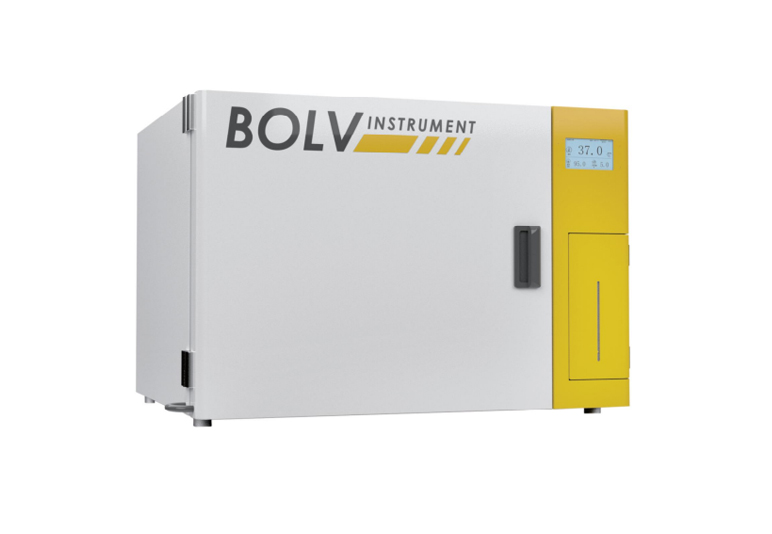
CO₂ incubators provide the ideal environment for mammalian cell growth, essential for biologics and gene therapy research.
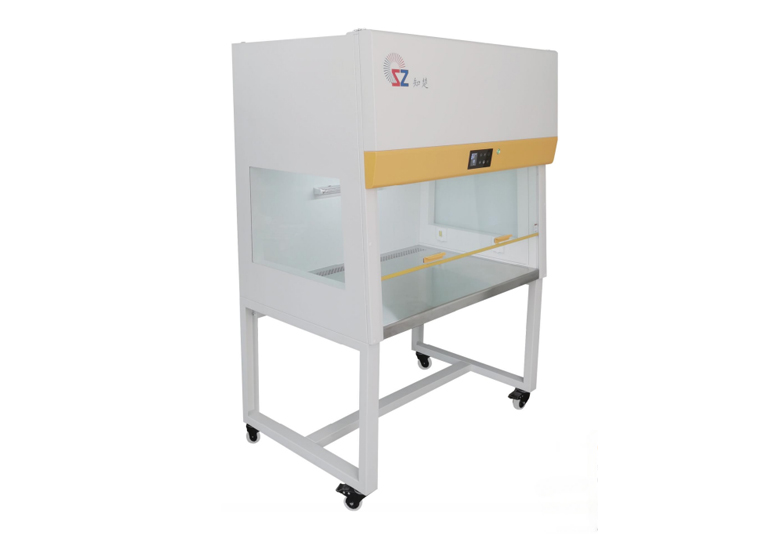
Biological safety cabinets protect both operator and samples during aseptic procedures involving GMOs or viral vectors.
Laminar flow benches ensure sterile conditions during media preparation and molecular assays.
Bioreactors scale up biotech processes, enabling mass production of vaccines, enzymes, antibodies, and more.
Chillers stabilize sensitive instruments and processes, maintaining reproducibility in temperature-dependent workflows.
Ultrasonic cell disruptors efficiently release intracellular contents, crucial for protein extraction, DNA/RNA purification, and nanoparticle formulation.
This wide range of biotech laboratory equipment is essential for comprehensive laboratory operations.
How to Match Equipment to Each Experimental Stage
Selecting equipment by catalog category alone can create mismatches in throughput, containment, gas control, and working volume. A better approach is to map the experiment from sterile preparation and primary culture through process scale-up, temperature-controlled support, and cell disruption. The table below organizes biotech laboratory equipment by workflow stage and the operating variables that should be confirmed before a model is selected.
Before reviewing individual models, compare biotech lab instruments using the same sample type, vessel, fill volume, control range, and batch assumptions to guide your selection of biotechnological equipment.
| Experimental Stage and Task | Equipment | Key Parameters to Confirm | Recommended ZHICHU Models | Selection Guidance |
| Aseptic preparation and sample handling: media or buffer preparation, plate pouring, cell passaging, and work involving GMOs or viral vectors | laminar flow cabinet for non-hazardous clean work; biological safety cabinet when personnel and environmental protection are also required | Protection objective, cleanliness class, airflow velocity, filter type, and usable work-zone width | ZC-CJ-1FD/2FD; 1300A2/1500A2/1800A2 | ZC-CJ-1FD provides an ISO 5 work zone with an average air velocity of 0.30–0.60 m/s. Select a Class II A2 cabinet when the process requires personnel, product, and environmental protection. |
| Microbial screening and seed culture: E. coli, yeast, or Bacillus clone screening and pre-fermentation seed preparation | incubator shaker | Temperature, rpm, orbit, flask size, fill ratio, oxygen demand, and simultaneous culture count | ZQTY-50 for benchtop work; ZQZY-88A/B/C for higher throughput | ZQTY-50 operates at 10–300 rpm with a 26 mm orbit and accommodates up to 16 × 250 mL flasks. ZQZY-88A/B/C operates at 10–350 rpm, with the top layer limited to 10–300 rpm, and accommodates up to 30 × 250 mL flasks per layer. |
| Suspension mammalian-cell culture: CHO or HEK293 seed-train expansion, transient expression, and suspension culture | co2 incubator shaker | CO₂ range and accuracy, temperature uniformity, orbit, rpm, flask capacity, humidity, and shear sensitivity | ZCZY-AN/BN/CN or ZCZY-AS8/BS8/CS8 | The standard 50 mm orbit configuration operates at 10–250 rpm; the optional 26 mm orbit configuration operates at 10–300 rpm. The series supports 0–20% CO₂ and 4–60°C temperature control. |
| Adherent mammalian-cell incubation: HEK293, Vero, stem-cell, transfection, and cell-based assay workflows | co2 incubator | Temperature and CO₂ recovery, uniformity, humidity method, chamber volume, and sterilization cycle | P-90A/150A/260A | Choose among 106, 175, and 300 L chambers. The series provides 0–20% CO₂ control and a 160–180°C dry-heat sterilization cycle. |
| Hypoxic or physiologic-oxygen culture: tumor models, stem-cell studies, and ischemia or hypoxia research | triple gas incubator | O₂ range and accuracy, CO₂ control, gas consumption, recovery after door opening, and chamber volume | POU-90A/150A/260A | Choose among 106, 175, and 300 L chambers. The series provides 0.5–21% O₂ control and 0–20% CO₂ control. |
| Controlled process scale-up: microbial fermentation or mammalian, insect, and plant cell expansion | benchtop bioreactors | Working volume, pH, DO, agitation, gas strategy, feed pumps, and batch, fed-batch, or perfusion requirements | BIOCORE QF 3/5/7/15 L for microorganisms; BIOCORE QC 3/5/7.5/15 L for cell culture | QF provides 2.1, 3.5, 5.5, and 11 L working volumes with 20–1000 rpm agitation. QC provides a 0.9–11 L working-volume range across models, 20–300 rpm agitation, and four-gas control. |
| Temperature-controlled process support: external-loop temperature control, reagent conditioning, and temperature-sensitive sample handling | circulating water bath | Required temperature range, stability, bath volume, pump flow, fluid compatibility, and external-loop demand | ZQDC-2008/2012/2025 | Select bath volume according to the connected process. ZQDC-2008 provides an 8 L bath, a −20 to 100°C range, ±0.1°C temperature fluctuation, and 0–15 L/min circulation. |
| Cell disruption and intracellular recovery: protein, nucleic-acid, antigen, nanoparticle, or chromatin workflows | ultrasonic disruptor | Sample volume, power, horn diameter, duty cycle, temperature limit, and cooling method | ZCPS-600 | The model provides 5–650 W adjustable output, 0.1–600 mL processing capacity, and a standard 6 mm horn; optional horn diameters support narrower sample-volume ranges. |
Use the table as a specification checklist rather than a one-model-fits-all recommendation. The same biotech lab equipment may require a different chamber size, orbit, probe, gas package, bath volume, or vessel configuration when the organism, fill volume, or target yield changes.
When biotechnology lab instruments are evaluated, chamber capacity, gas control, mixing, cooling, and downstream processing should be assessed as one connected workflow rather than as isolated purchases.
When samples will be measured using biotechnology laboratory analytical instruments, select cell-disruption settings from sample volume and heat sensitivity before nominal power. Horn diameter, pulse settings, and cooling capacity affect both lysis efficiency and target integrity.
Before requesting a quotation for biotechnological equipment, record the sample or cell line, vessel type, working volume, target temperature, rpm or orbit, CO₂ and O₂ setpoints, pH and DO control needs, daily batch count, and required containment level. This allows biotechnology lab equipment to be configured around the actual process rather than a generic catalog specification.
Taken together, these inputs create a practical biotechnology laboratory equipment plan that can scale from early screening to repeatable pilot work without changing the experimental logic.
Share the cell line or microorganism, vessel volume, target conditions, and weekly throughput with ZHICHU to receive a model shortlist and configuration checklist.
1. Shaker Incubator
Function: Orbital shaking combined with temperature control; enables aerobic cultivation in flasks or microplates.
Key Biotechnology Applications:
Recombinant protein production: Cultivation of engineered E. coli, Pichia pastoris, or Bacillus for expression of enzymes, antibodies, or proteins.
Synthetic biology: Growing genetically modified organisms with inserted DNA circuits for biosensor or biofuel development.
Plasmid amplification: High-yield growth of transformed bacterial strains before plasmid extraction.
Starter cultures for fermentation: Seed culture growth in shake flasks before scale-up to bioreactors.
Screening & optimization: Used in DoE (design of experiments) to evaluate strain productivity, pH, media, temperature, or feeding strategies.
Used By: Molecular biology labs, biomanufacturing pilot plants, academic and biotech startups.
These applications highlight the indispensable role of biotech lab equipment in modern research.
2. Incubator (Standard & CO₂)
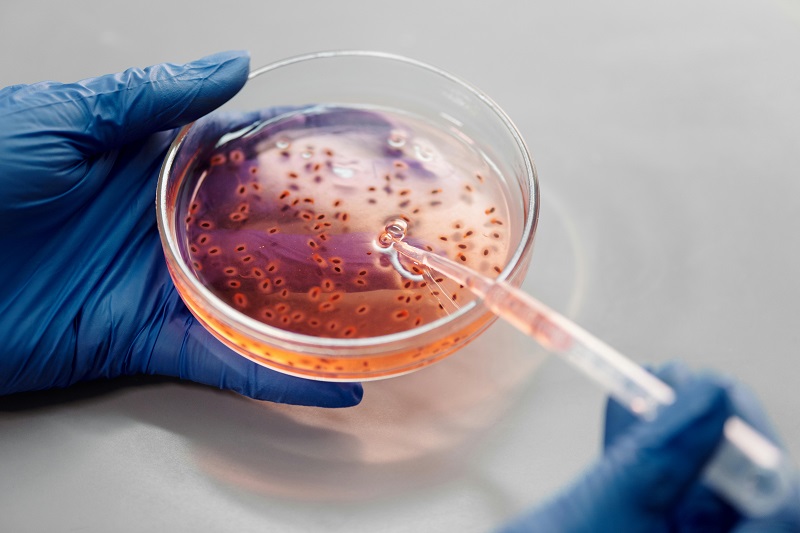
Function: Maintains controlled temperature, humidity, and CO₂ conditions to support stable pH and reproducible mammalian-cell culture.
Key Biotechnology Applications:
Adherent cell culture: Cultivation of mammalian cell lines (e.g., CHO, HEK293, Vero) for monoclonal antibody, gene therapy vector, or vaccine production.
Stem cell culture: Incubation of induced pluripotent stem cells (iPSCs) or mesenchymal stem cells for regenerative medicine research.
Transfection & gene editing: Incubating cells during CRISPR/Cas9-based genome editing or viral vector transduction.
Assay incubation: For ELISA, cell viability, reporter gene expression, or metabolic assays during biotech R&D.
Used By: Cell biology labs, gene therapy developers, tissue engineering researchers.
3. Biological Safety Cabinet (BSC) – Class II
Function: Provides a controlled containment environment for handling biological materials while protecting the operator, sample, and surrounding laboratory.
Key Biotechnology Applications:
Aseptic handling: Critical for sterile media prep, cell passaging, and working with genetically modified organisms (GMOs).
Viral vector production: Safe manipulation of lentivirus, AAV, adenovirus in gene therapy and vaccine development.
Cell banking & QC: Ensuring contamination-free expansion and testing of master cell banks (MCBs) and working cell banks (WCBs).
Tissue engineering: Scaffold seeding or primary cell isolation under sterile conditions.
Used By: GMP labs, gene editing facilities, biotech QC labs.

4. Laminar Flow Bench (LAF)
Function: Provides particle-free airflow for sample protection, but not operator protection (used for non-hazardous tasks).
Key Biotechnology Applications:
Media & reagent preparation: Ensures sterile conditions when preparing culture media, reagents, or buffers.
Plate pouring & streaking: For microbial work like antibiotic screening or colony isolation.
Assembly of clean components: Like microfluidic devices, assay cartridges, or biochip setups.
PCR prep: Used to prevent amplicon contamination during PCR setup in molecular labs.
Used By: Research labs, molecular diagnostics companies, academic biotechnology centers.
These applications of biotechnology lab instruments illustrate the diverse utility of essential biotechnology lab equipment for maintaining sample integrity and process sterility.
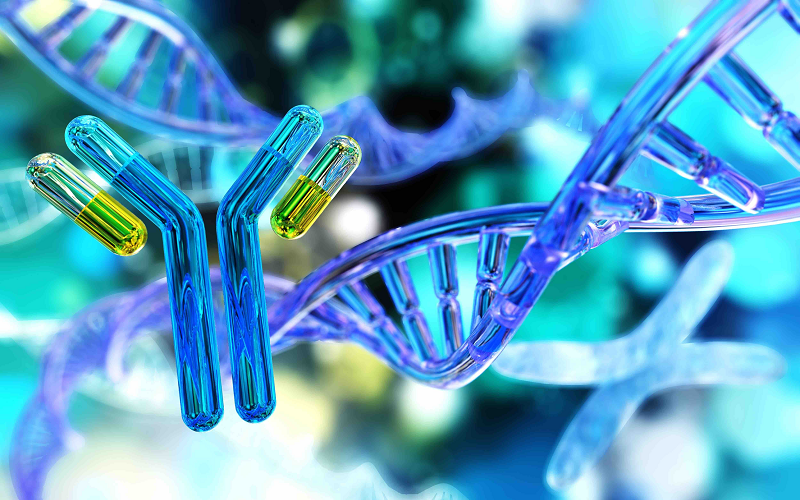
5. Bioreactor (Benchtop to Pilot Scale)
Function: Enables high-density cultivation of cells or microorganisms under precise control (pH, DO, temperature, agitation).
Key Biotechnology Applications:
Cell culture-based biologics: CHO or HEK cell lines cultured in bioreactors for monoclonal antibody and protein drug production.
Fermentation: Microbial production of biosimilars, enzymes, bioplastics, biofuels, or specialty chemicals.
Stem cell expansion: Automated and scalable stem cell proliferation under controlled environments.
Process development: Bioprocess optimization for scalability and reproducibility, including fed-batch and perfusion cultures.
Used By: CDMOs, upstream bioprocess teams, synthetic biology companies, vaccine developers.
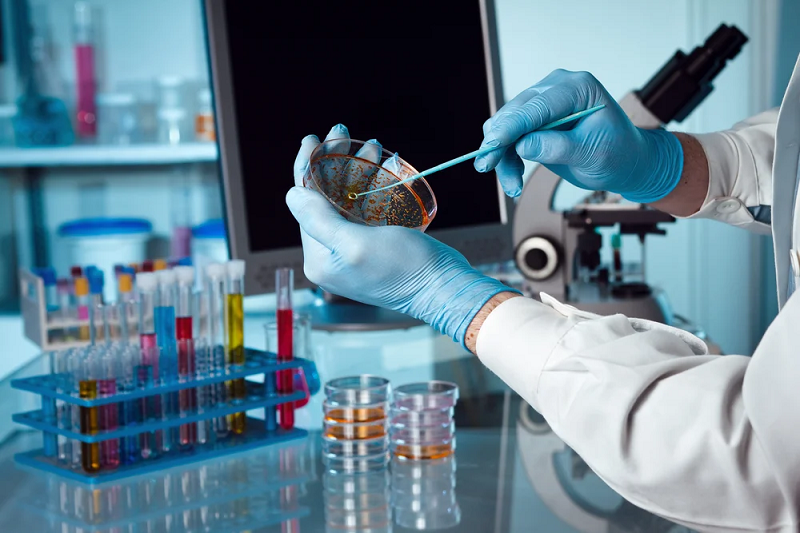
6. Chiller / Recirculating Cooling System
Function: Maintains low, stable temperatures for instruments or bioprocess systems.
Key Biotechnology Applications:
Bioreactor temperature control: Prevents overheating during intense cell growth or fermentation.
Cold chain support: Used with lyophilizers, centrifuges, and other devices requiring stable cooling.
Enzyme stability: Maintains low temperature during purification steps involving temperature-sensitive biomolecules.
PCR, electrophoresis cooling: Ensures consistent thermal conditions during long gel runs or nucleic acid amplification.
Used By: Protein purification labs, formulation groups, upstream/downstream bioprocess teams.
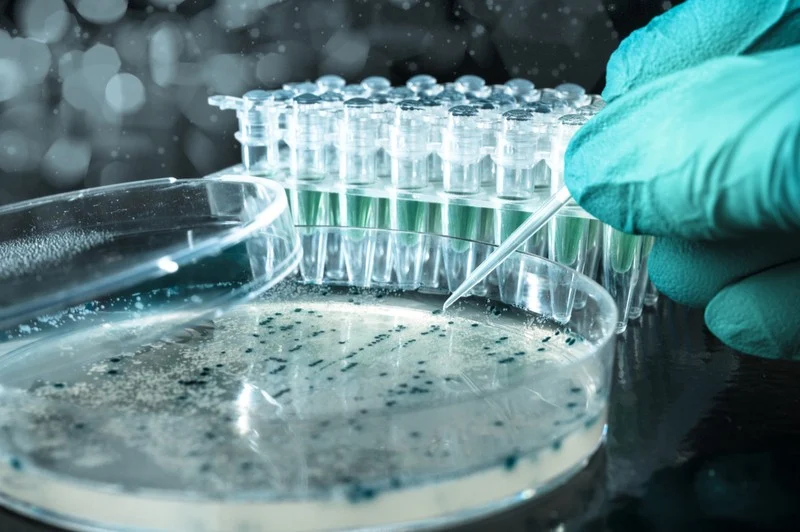
7. Ultrasonic Cell Disruptor (Sonicator)
Function: Uses ultrasonic cavitation to lyse cells and release intracellular material for protein, nucleic-acid, nanoparticle, and chromatin workflows.
Key Biotechnology Applications:
Protein extraction: Breaks microbial or mammalian cells for recovery of expressed proteins.
DNA/RNA isolation: Lyses cells and tissues for genomic applications.
Nanoparticle formation: Assists in emulsification and dispersion of liposomes or polymer-based drug delivery systems.
Chromatin shearing: For ChIP-seq or other epigenetic studies.
Vaccine antigen preparation: Disrupts bacterial/viral particles to extract immunogenic components.
Used By: Molecular biology, nanomedicine, protein R&D labs, genomic research units.
 English
 日本語
日本語 한국어
한국어 français
 Deutsch
 Español
 русский
 português
 العربية
 ไทย
ไทย tiếng việt