English
- Home
-
Products
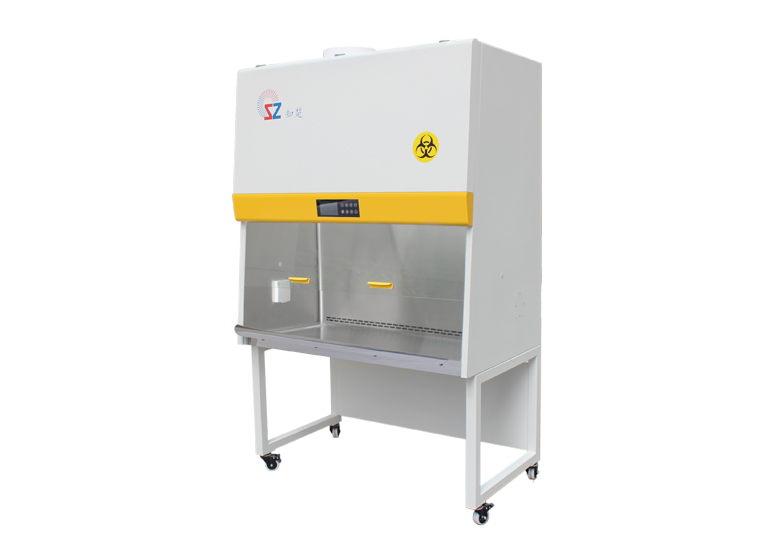
Stackable Incubator ShakerHigh Speed Stackable Incubator Shaker Triple-drive ZQZY-3CS8H (each shaker 306L) High Speed Stackable Incubator Shaker Single-drive ZQZY-88A B CH (each shaker 155L) High Speed Stackable Incubator Shaker Dual-drive ZSZY-88A B CH (each shaker 155L) Stackable Incubator Shaker ZQZY-78A B C (each shaker 128L) Stackable Incubator Shaker ZQZY-88A B C (each shaker 155L) Stackable Incubator Shaker ZQZY-98A B C (each shaker 176L) Stackable Incubator Shaker ZQZY-108A B C (each shaker 197L) Stackable Incubator Shaker ZQZY-A B CS9 (each shaker 339L) Stackable Incubator Shaker ZQZY-A B CNR (each shaker 193L) Stackable Incubator Shaker ZQZY-A B CS8 (each shaker 306L) Stackable Incubator Shaker ZQZY-A B CSR8 Stackable Incubator Shaker ZQZY-R1 R2 R3 (each shaker 282L) Stackable Incubator Shaker ZQZY-A B CR8 (each shaker 282L) Stackable Incubator Shaker ZDZY-A BS8 (each shaker 372L) Stackable Incubator Shaker ZDZY-A BR8 (each shaker 372L) Stackable Incubator Shaker ZQZY-CF8 Reciprocating Stackable Incubator Shaker ZQZY-A B CF8W Automation Stackable Incubator Shaker ZQZY-ZD8A B CBenchtop Incubator ShakerDesktop High-Speed Shaker ZHH-100 Thermostatic Benchtop Incubator Shaker ZHTY-50 (54L) Benchtop Incubator Shaker ZQTY-50 (50L) Benchtop Incubator Shaker ZQTY-70(78L) Thermostatic Benchtop Incubator Shaker ZHTY-70(78L) Benchtop Incubator Shaker ZQTY-90(116L) 360° flip Oscillation Benchtop Incubator Shaker ZQTY-90X (116L) Thermostatic 360° flip Oscillation Benchtop Incubator Shaker ZHTY-90X (116L)CO2 IncubatorThermostatic Air-jacket CO2 Incubator PE-90A/150A/260A (Dry heat 180℃ & UV Sterilization) Thermostatic Air-jacket CO2 Incubator PU-90A/150A/260A (UV sterilization ) Dry heat 180℃ Sterilization Thermostatic Air-jacket CO2 Incubator P-90A/150A/260A (natural humidification) Dry heat 180℃ Sterilization Thermostatic Air-jacket CO2 Incubator P-90B/150B/260B (active humidity control) Air-jacket CO2 Mini Incubator P-MINI25/40 Stackable Dry heat 180℃ Sterilization Thermostatic Air-jacket CO2 Incubator P-90WA (natural humidification) Stackable Dry heat 180℃ Sterilization Thermostatic Air-jacket CO2 Incubator P-90WB (active humidity control) Thermostatic Air-jacket CO2 Incubator with HEPA filter Q-180E (Dry heat 180℃ Sterilization ) Thermostatic Air-jacket CO2 Incubator with HEPA filter Q-180C 825L Thermostatic Air-jacket CO2 Incubator PU-825A (natural humidification) 825L Thermostatic Air-jacket CO2 Incubator PU-825B (active humidity control) Cooling Air-jacket CO2 Incubator PUL-150/260 (UV sterilization) Thermostatic Water jacketed CO2 incubator B121 Cooling Water jacketed CO2 incubator B121RTriple Gas IncubatorThermostatic Air-jacket Triple Gas Incubator POU-90A/150A/260A (UV sterilization) Thermostatic Air-jacket Triple Gas Incubator POG-90A/150A/260A (Dry heat 180℃ Sterilization) Thermostatic Air-jacket Triple Gas Incubator POU-MINI25/40 (UV sterilization) Thermostatic Water jacketed Triple Gas Incubator B141 Cooling Water jacketed Triple Gas Incubator B141RClass II A2 Biological Safety CabinetClass II A2 Biological Safety Cabinet with HEPA Filters 1300A2 Class II A2 Biological Safety Cabinet with HEPA Filters 1500A2 Class II A2 Biological Safety Cabinet with HEPA Filters 1800A2 Class II A2 Biological Safety Cabinet with ULPA Filters 1306A2 Class II A2 Biological Safety Cabinet with ULPA Filters 1506A2
- Applications
- Company
- Services
- Blog
- Contact Us